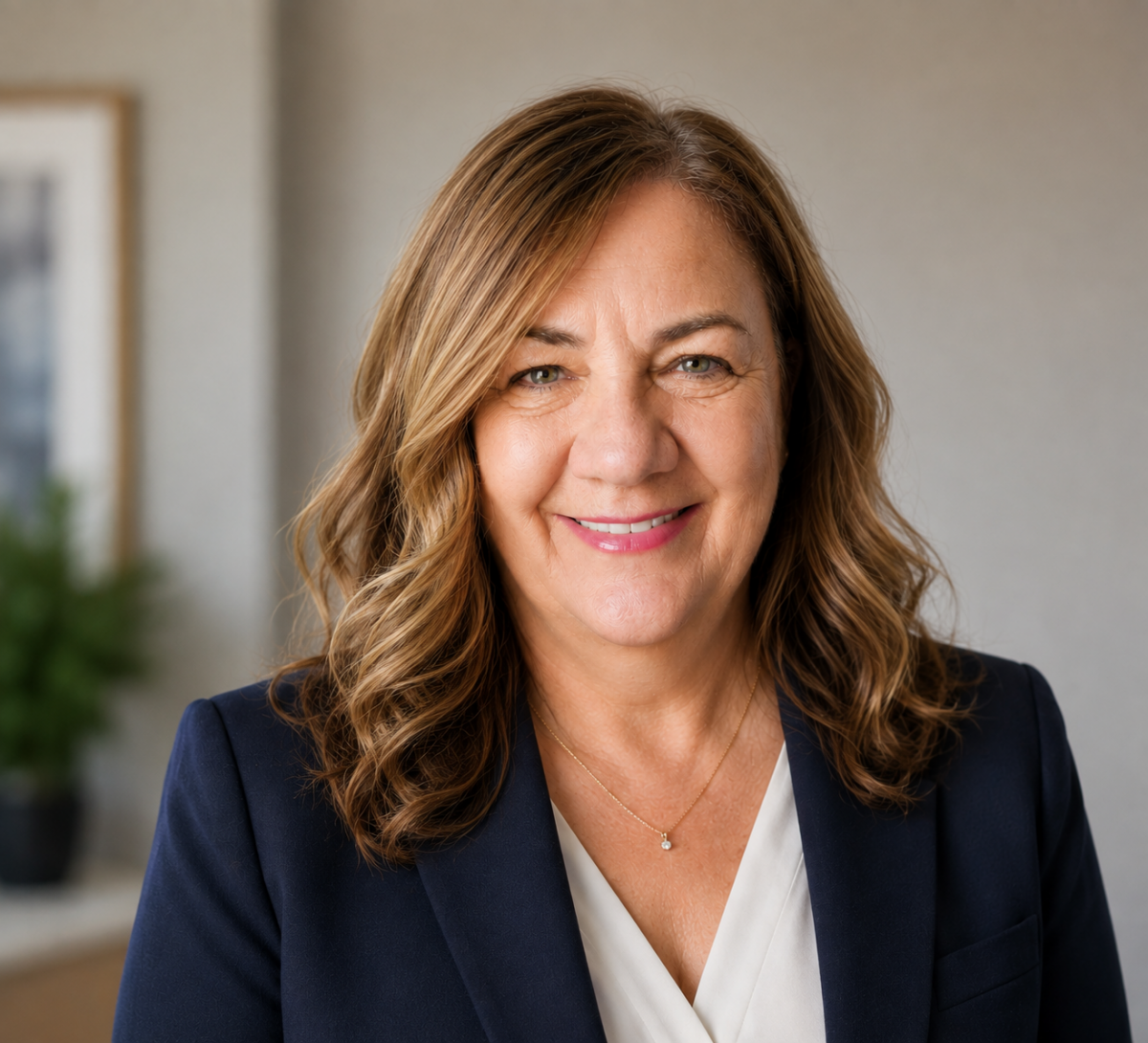
Carol Atkinson-Palombo
Department of Geography, Sustainability, Community, and Urban Studies
I am a Professor in the Department of Geography, Sustainability, Community and Urban Studies at the University of Connecticut. I specialize in collaborating across academic disciplines on interdisciplinary scholarship on policies to create sustainable cities. I use a variety of geographical techniques that include GIS-based spatial analysis, statistical modeling, and qualitative methods. Much of my research has been on transportation sustainability, which has far-reaching implications for various societal concerns such as air pollution, land use, global climate change, and social and environmental equity. Several more recent projects focus on various aspects of the transition to a low carbon economy. As a proud first-generation college graduate interested in equity and diversity, I am deeply committed to working with underrepresented students and marginalized communities.
Oksan Bayulgen
Department of Political Science
I am a political scientist with specialization on energy transitions, environmental politics, democratization and development. Over the years, I have conducted extensive field work in Russia, Azerbaijan, Kazakhstan, Norway, and Turkey with the help of numerous external and university grants. My first book (Cambridge University Press 2010) was on the relationship between regime types and foreign investments in the oil industry and my most recent book (Michigan University Press, 2022) was on the politics of clean energy development in developing countries. I am the co-founder of Energy and Elections Research Lab and Levant Energy and Security Initiative at UConn and am involved in multiple interdisciplinary research groups on renewable energy technologies and energy justice. I am especially proud to be a member of the Collaboratory, which brings together diverse scholarly approaches to find equitable and fair solutions to the problems of climate change and imagine a more sustainable future.
Working group: ‘Instituted approaches’
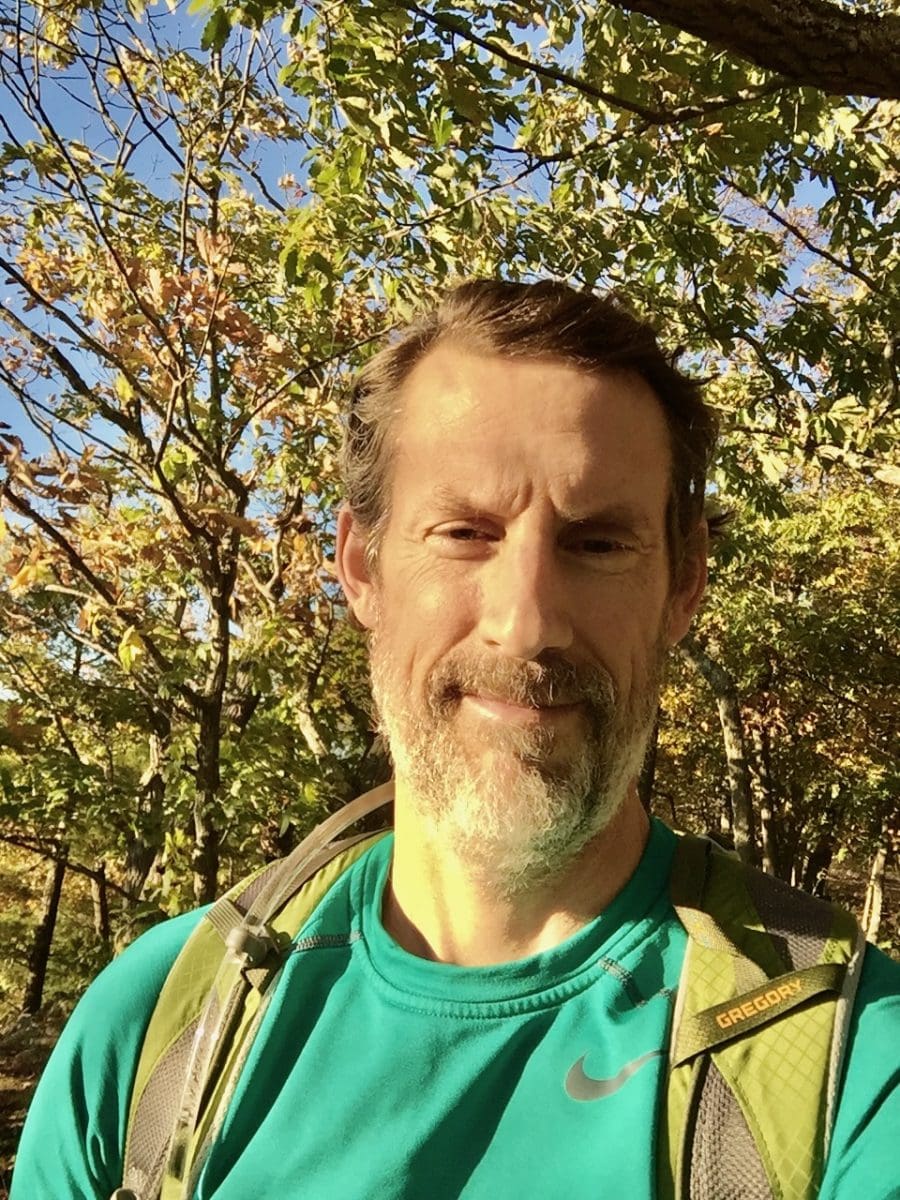
Thomas Bontly
I am a faculty member in the Philosophy Department, current director of UConn’s Environmental Studies Program, and an affiliate of the Department of Geography, Sustainability, Community and Urban Studies. Over the years, I have worked in a number of subfields of philosophy, including ethics, environmental philosophy, philosophy of mind, and philosophy of science. My current research focuses on issues intersecting the climate crisis: intergenerational justice, the non-identity problem in ethics, science denialism, collective action, and the possibility of social and economic transformation. I’m grateful to the Collaboratory for creating a space transcending traditional academic boundaries from which we can explore paths toward justice and sustainability.
Working group: ‘Time for civic engagement‘
Syma A. Ebbin
Department of Agricultural and Resource Economics
I am a Professor in-Residence at the University of Connecticut and the Research Coordinator for Connecticut Sea Grant. Affiliated with the Department of Agricultural and Resource Economics and Maritime Studies Program, I teach courses in environmental and marine science and policy at the UConn Avery Point campus.
I am an interdisciplinary scientist with a background in natural and social sciences. Much of my work has examined participatory management approaches and the role of institutional structure on social and ecological outcomes. As an interdisciplinary researcher, I value collaborative relationships and the Justice Collaboratory has provided an ideal nexus to connect me with colleagues interested in generating transdisciplinary knowledge aimed at generating solutions for people and communities, especially those often overlooked and marginalized, that are impacted by climate change.
My research is focused on the institutional and human dimensions of resource management and policy, particularly within marine and coastal systems. Much of my work has examined participatory management approaches and including Tribal co-management efforts in Alaska and the Pacific Northwest.
Working group: ‘Blue Justice’
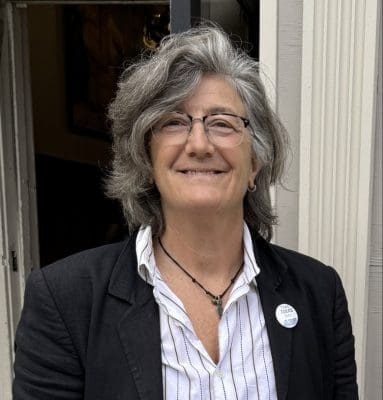
Phoebe Godfrey
Dr. Phoebe Godfrey is a Professor-in-Residence in Sociology at UCONN. She teaches Social Theory, Society and Climate Change, Sustainable Societies, Sociology of Food, Sociology of Education and more. She is co-editor of a new collection of social theory readings Social Theories for the Anthropocene: Diversities Across the Divides, Routledge, 2025. She is author of Understanding Just Sustianabilities: A Case Study of a Share-Use Kitchen in Connecticut, Routledge, 2021. She is also co-editor of Systemic Crises of Global Climate Change: Intersections of Race, Class and Gender and Emergent Possibilities for Global Sustainability Intersections of Race, Class and Gender, Routledge 2016 and of Global [Im]-Possibilities: Exploring The Paradoxes of Just Sustainabilities, Bloomsbury Press, 2021. She has published many chapters and articles on her critical and creative pedagogy, many of them with students and former students. She lives in Willimantic, CT with her wife Tina and three cats.
Working Group: ‘Pedagogy and Justice’ (with collaborator Desen Ozkan)
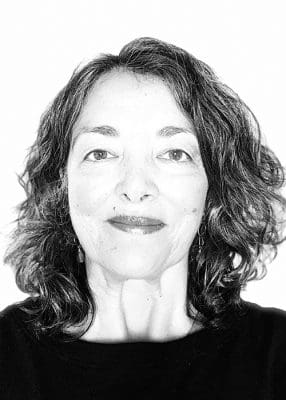
Anji Seth
Department of Geography, Sustainability, Community, and Urban Studies
I am Professor and Head of the Department of Geography, Sustainability, Community, and Urban Studies. By training, I am an engineer, atmospheric scientist and climate modeler. My research has focused on understanding regional processes within the context of global climate: from the role of vegetation, to precipitation extremes during El Nino events, to understanding how monsoon systems change in warmer climates. Much of this research employs numerical climate models to examine past, present and future climates. I led the first assessment of climate change for the state of Connecticut, and have examined extreme heat and rainfall events in past and future climates. I am the Chair of the UConn Atmospheric Sciences Group, and co-founder of UConn@COP program.
I have come to understand that social, political, ecological and economic issues are at the heart of the transitions underway. My interests now center on what people and communities need in order to become sustainable and thrive for the long term.
Dr. Anji Seth earned a Ph.D. in Atmospheric Sciences from the University of Michigan with an Advanced Study Fellowship at the National Center for Atmospheric Research (NCAR).
Working group: ‘Time for civic engagement‘
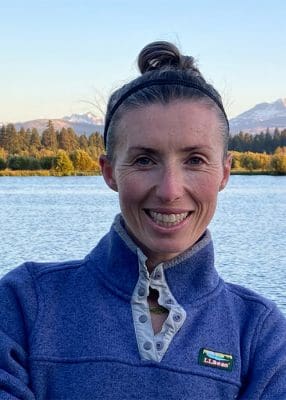
Eleanor Shoreman Ouimet
I’m an associate professor of Environment and Human Interactions in the Department of Anthropology and associate director of the Institute of Environment and Energy at UConn. My work is largely interdisciplinary and revolves around issues of environmental justice, disaster preparedness, community response to natural hazards, green energy, and the effects of climate change.
I lead several initiatives on campus that engage with the Collaboratory’s emphasis on climate justice and equity at the university and community level, including the DISASTER (Designing Interdisciplinary Science And Strategies To Enhance Resilience) Research group, the UConn Racial Microaggression Research Team; and the Eversource Energy Research Center’s Clean Energy and Smart Grid Community Engagement Team.
Working group: ‘Ethics and Equity in Disaster Science’ (with collaborator Alexandra Harden)
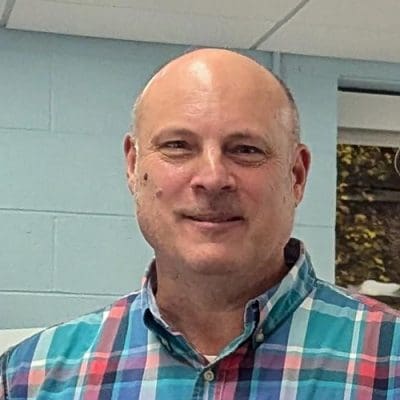
Nathaniel Trumbull
Department of Geography, Sustainability, Community and Urban Studies
I am interested in the impacts of large infrastructure energy-related projects (for example, nuclear power plant relicensing and decommissioning, development of marshalling ports for offshore wind, cable landfall from offshore wind) on coastal communities. The impacts on those coastal communities can vary widely across different geographies. Equity in the socio-economic and environmental impacts of those projects for coastal communities is a key consideration. Coastal communities’ acceptance, adoption, and/or rejection of new infrastructure projects depend on a wide range of factors. Those factors include the physical and economic geographies of those coastal communities, how they are interconnected with the region and nearby municipalities, political will, economic costs and benefits, issues of governance, transparency or lack thereof in decision-making, questions of inclusion and exclusion of community members, environmental consequences, and cultural considerations.
Within the realm of nuclear power infrastructure, the current decommissioning process of nuclear power plants in New England (including the Pilgrim Nuclear Power Station in Plymouth, MA) has attracted much attention by its nearby communities due to the potentially widespread environmental consequences for the region. The prospect of radionuclides entering Cape Cod Bay has brought strong community opposition to plans for low-level radioactive water into the Bay. The re-purposing of large port areas in New London (CT), New Bedford (MA), and Salem (MA) for offshore wind infrastructure marshalling purposes has brought economic opportunities to those communities. But the long-term extent of those opportunities and questions about who benefits from those opportunities is an open question. The development of transmission cables and lines of offshore wind export cables, including their landfall sites in coastal communities, has proven to be a controversial topic for those communities as renewable power is brought ashore from offshore wind turbines.
Issues of individual and collective justice concerning coastal communities, how members of those communities may be impacted by large-scale energy projects, and how the community members can and cannot participate in decision-making lie at the nexus of the costs and benefits of large infrastructure energy-related projects for those communities. Questions about who benefits from and who pays for the impacts of such energy infrastructure are complex and multi-faceted. A better understanding of such issues is critical for the successful design, deployment, operation, and eventual decommissioning of large infrastructure energy-related projects on our coasts.
Working Group: ‘Blue Justice’